World championship methods.
Adapted for everyday.
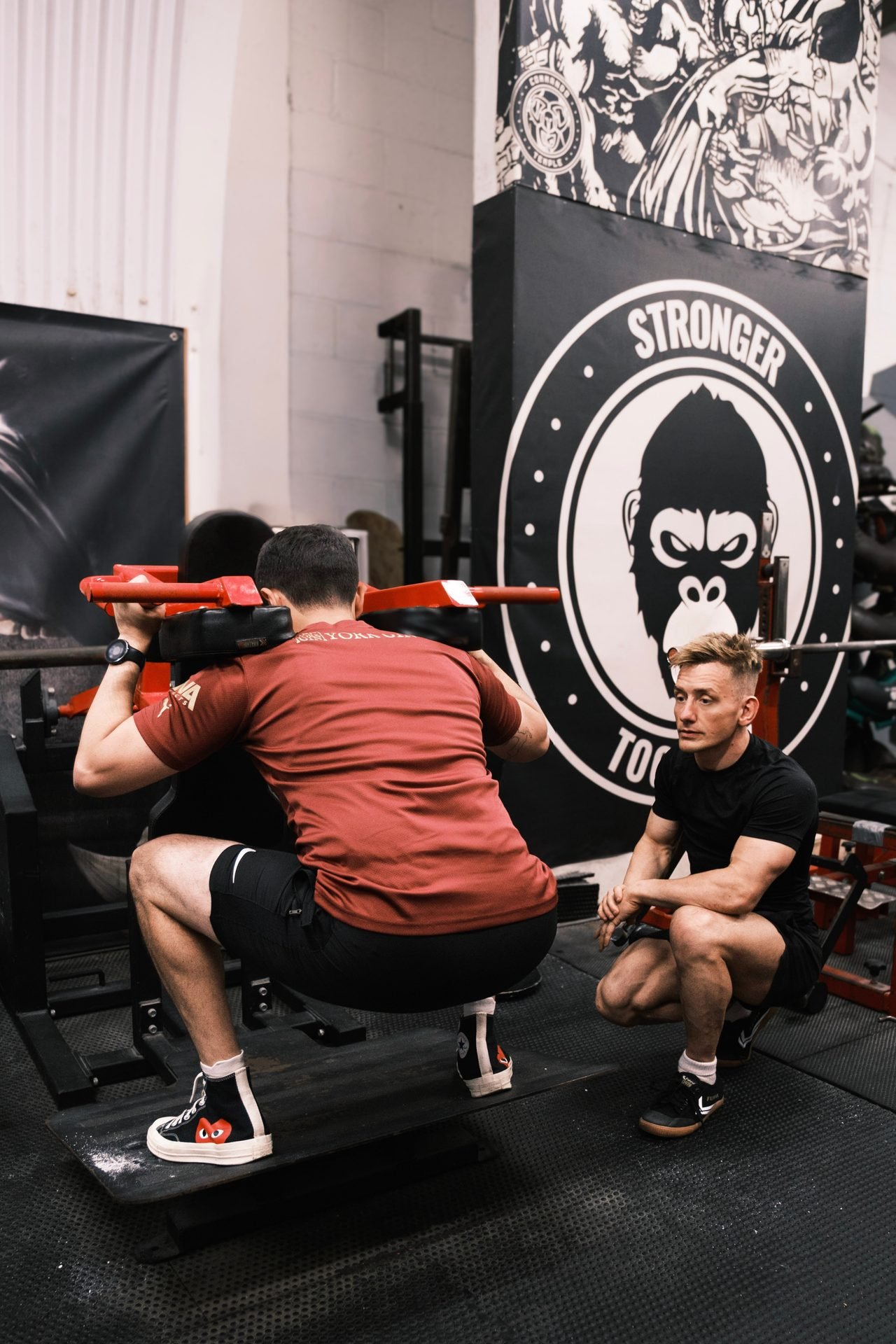
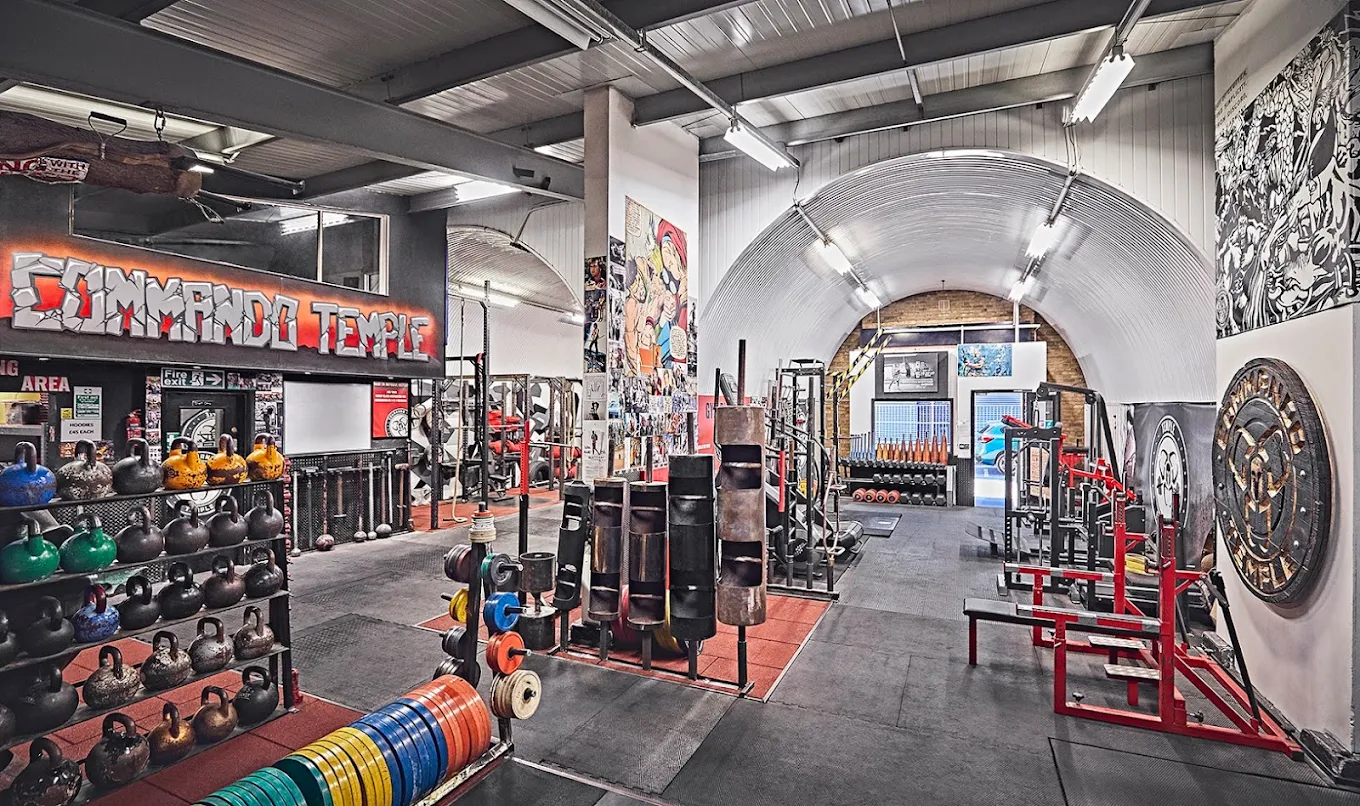
I’m Tom Rawcliffe. I run Peak Body Coach, a 1:1 personal training and nutrition coaching practice based at the Commando Temple in Deptford. Earlier in my career, I worked in strength and conditioning for combat sports athletes, including professionals and world champions. Most of my work these days is with high achieving professional people who want to look better and perform better.
My experience as a coach
I started out in strength and conditioning, working with combat sports athletes: fighters in MMA, Muay Thai, kickboxing. The job involved getting people to peak physical condition and to a specific weight by a fixed deadline, with no excuses. That’s the environment where I learned how coaching actually works at the level of physiology, programming and nutrition: through extreme constraints, repeated cycles, and direct accountability.
Over time I started taking on clients outside combat sports. People with full-time jobs, families, and the kind of week that didn’t bend around training. They came to me because they wanted what fighters had: measurable progress, structure, results that came from a deliberate process, just without an actual fight at the end of it. The work translated more easily than I’d expected. Programming a system that holds up under deadline turns out to be very similar to programming a system that holds up under everyday life, just at a different pace.
These days the bulk of my coaching practice is with people across SE London who want long-term physical change without the fitness-industry theatre. I still occasionally work with athletes when the right opportunity comes up, but the body of the work is with people.
How I think about coaching
A few principles run through how I work.
Coaching is a specific job for specific outcomes
Most fitness coaches sell motivation, accountability, or some flavour of life transformation. The actual job is more boring than that: programming training, managing nutrition, tracking what’s happening, adjusting based on results. I do the more boring version, focused on outcomes that actually show up.
Real change takes months, not weeks
The industry is built on selling shorter timelines than the body actually responds to: six-week programmes, 30-day challenges, 90-day transformations. I don’t run those. The work I do takes a few months minimum to start showing, and significant lasting changes are the ones that take longer.
Clients are intelligent adults who want plain explanations
Most fitness content is dumbed down to influencer level: slogans, simplified rules, stuff that fits in a 30-second clip. I assume the people I work with can hold complexity if I explain it plainly, and in over a decade of coaching that assumption has held up.
The plan adapts to the person, not the other way round
Generic programmes assume a generic client. Most coaching companies sell those programmes anyway because they scale. I run a deliberately small practice so I can iterate the work to actually fit you, not generic-client templates.
Background & qualifications
- Level 4 Certified Personal Trainer
- Level 4 Olympic Weightlifting Specialist
- Phil Daru Strength & Conditioning Coach
- BioForce Conditioning Coach
- NASM MMA Strength & Conditioning Specialist
- Level 4 AfN Certified Nutrition Coach
- AfN Certified Nutritionist
- Renaissance Periodisation Nutrition Coach
- Level 4 Certified in Diabetes & Obesity Management
- Former professional MMA fighter
- BJJ Brown Belt
- RTW Recovery Specialist
- S&C coach for Jonathan “The General” Haggerty, two-time ONE FC Bantamweight World Champion (Muay Thai & Kickboxing)
- S&C coach for Thomas Paull, two-time GTFP Pro Champion and UFC Contender Series fighter
- S&C coach and nutritionist for the cast of Sky TV’s “The Good Fight Club”
Book a discovery call
10–15 minutes, free, no sales pitch. We’ll work out whether 1:1 coaching is the right fit for you, and what the first few months would look like if it is. If it’s a fit on both sides, the next step is a free consultation at the gym.
Book a discovery callPrefer to write? Send an enquiry instead