
We’re living in a new era of weight loss drugs. With the popularity of Ozempic over the past few years – and similar drugs like Wegovy and Mounjaro becoming publicly available – it seems like weight loss has well and truly changed forever. Countless celebrity endorsements and social media transformations make that pretty clear.
And it’s easy to see why they’re so popular. The sudden weight drops you see in people do look impressive.
But there are some serious problems underneath the surface. Problems that might make you reconsider whether these are drugs you actually want to use.
TL;DR
- Up to 40% of the weight lost on these drugs comes from muscle – not fat.
- Most people regain the weight within 18 months of stopping – 4x faster than with traditional dieting.
- The drugs don’t address why you overeat – so the problem returns when you stop.
- Real, lasting results come from strength training, nutrition, and habit change – not a weekly injection.
You’re Losing More Than Fat

Most of the new weight loss drugs work through a similar pathway. They’re something called GLP-1 agonists.
GLP-1 is a peptide your body naturally secretes to signal fullness. It’s usually released when you eat protein – which is why protein feels so filling. These drugs work like appetite suppressants, making you feel less hungry and fuller more easily. The end result: you eat less and lose weight.
But not all weight loss is the same.
Your body’s hunger signals exist for a reason. And while being hungry on a diet certainly sucks, chemically overriding those signals can take you too far the wrong way.
Here’s the thing: your body values fat. It hates rapid weight loss. That’s a basic survival mechanism – your body doesn’t want to lose too much fat at once because doing so would leave you vulnerable to potential famines in the future. Fat is an energy store. Your body wants to keep it.
So when faced with the prospect of rapid fat loss, your body may burn muscle tissue instead.
This is exactly what we see with weight loss drugs. In cases of big calorie deficits caused by suppressed appetite, up to 40% of the weight lost can come from muscle tissue. According to a report from UK Active, that’s the equivalent of what you’d see through 10 years of aging without exercise.
This is the opposite of the result most people want. Most people lose weight to look lean and toned. But the end result for many people on these drugs? Looking lean, but in a gaunt, emaciated sort of way.
And there are other negative effects too:
- General loss of strength – both in training and everyday life
- Increased risk of injury
- Lower metabolism – because you now have less muscle tissue
The Rebound Problem
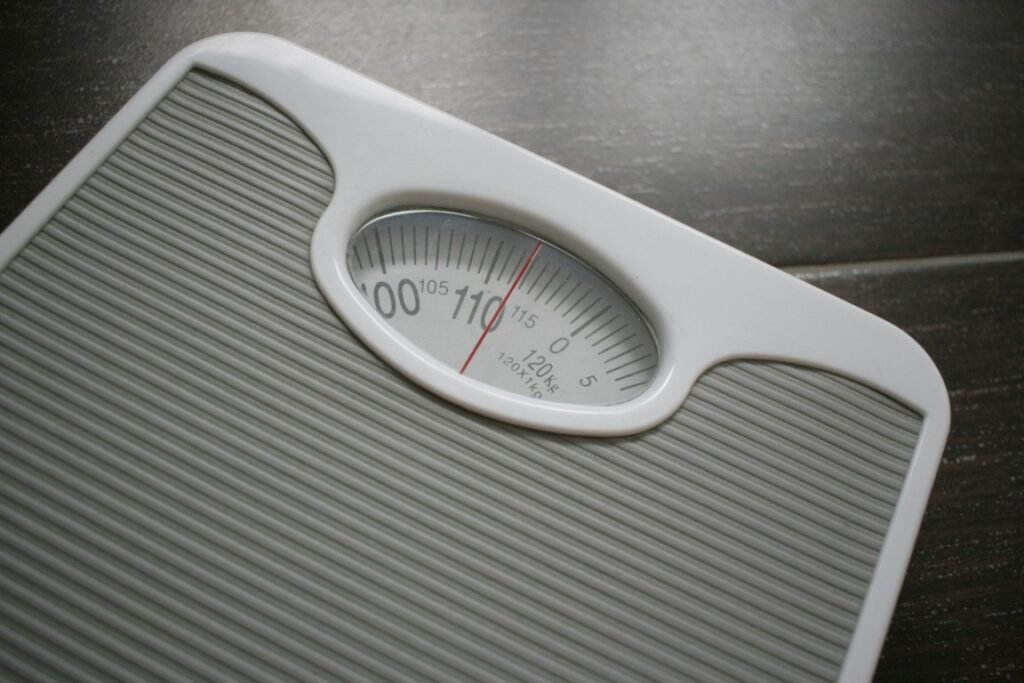
Weight loss drugs like Ozempic can actually work against you in another way.
They cut out a lot of the learning, adapting, and adjustment to eating habits you would need to do if you were dieting without them. On the surface, that sounds like a bonus – fewer potential ways to fail, less effort overall.
But this can really backfire in the long term.
Most people taking these drugs stop within a year. High cost, access issues, or side effects get in the way. And emerging research shows that when people stop, they regain weight four times faster than those who lost weight through traditional diet and exercise. Most people return to their original weight within 18 months.
Why? Because the underlying problem is still there. It’s just been masked by the drug suppressing your appetite. Once you come off it, you still have the same dysregulated eating, junk food cravings, poor diet knowledge, and emotional eating.
On top of that, the prolonged severe calorie restriction causes your body’s appetite hormones to rebound hard once the drug finally disappears. You end up hungrier than before.
Side Effects Nobody Talks About
None of this even mentions the potential side effects. Users often experience nausea and digestive issues in the short term. But there are bigger concerns too.
People report mood changes, emotional flatness, and a reduced enjoyment of life. In interviews conducted by Nesta, some users describe feeling “ambivalent to food” or that eating felt “like a chore” – while others reported feeling disconnected or numb.
This happens because the same pathways in your brain that regulate hunger and food also regulate general reward and mood. Suppress one, and you may suppress the others.
I don’t know about you, but if the cost of being lean is being emotionally flat and unhappy for the rest of my life, I don’t consider that a worthwhile trade-off.
What Actually Works
Here’s the interesting thing about weight loss drugs – from a coaching perspective, at least.
What I’ve seen is that the weight loss itself is rarely the actual issue. Most people, if given structure and determination, can lose weight in multiple different ways. Whether that’s Ozempic and Wegovy, the carnivore diet, intermittent fasting, or regular calorie restriction.
The issue people have is long-term sustainability and weight maintenance. And there is no drug that can shortcut that for you.
Learning to make better food choices. Figuring out your eating habits. Learning how to track properly and be aware of what you’re eating. Supplementing your diet with proper strength training. Developing real habits and true behavioural change.
These are the only sure-fire ways to lose weight and keep it off in the long term – in a way you can be happy with.
These kinds of lifestyle changes have a much lower rate of relapse. And if weight does return, it happens over the course of four years rather than 12 to 18 months.
The goal here isn’t just to lose weight. It’s to feel better in your body. To have a better relationship with food. To be stronger, healthier, and more capable.
The Smarter Investment
Weight loss drugs are expensive – often hundreds of pounds per month, indefinitely. And when you stop, the weight comes back.
Coaching is also an investment. But it’s a smarter one. Because instead of masking the problem temporarily, you’re building skills and habits that last. You’re solving the root cause, not renting a temporary fix.
I’ve helped hundreds of people achieve lasting change over the course of my career. Not through shortcuts, but through strength training, nutrition, and sustainable habits.
If you’d like a hand making actual, sustainable change you can be happy with – book a free consultation below.