
When it comes to free weights vs machines, most beginners choose machines. They feel safer, simpler, more approachable. But here’s what I see time and again: people spend months on machines, then struggle to control even a light dumbbell when they finally move to free weights.
Machines feel safer, but that feeling of safety ends up preventing you from developing the skills you need to grow and perform at your best.
TL;DR
- Machines lock you into fixed paths that don’t match natural movement.
- They build strength that doesn’t transfer outside the gym.
- Free weights teach stability, balance, and coordination.
- It’s actually advanced lifters benefit most from machines
- Start with barbells, dumbbells, and bodyweight movements first.
When you’re new to lifting, machines feel safe. They leave you with little doubt of what to do – pull the handle, push the lever, done. The movement is locked in, and there’s no guesswork or ambiguity.
That illusion of safety is precisely why commercial gyms are filled with machines. They look fool-proof, but that’s the exact issue. But machines don’t teach you the stuff that matters.
Free Weights vs Machines: Built for Design, Not for You
Most gym machines aren’t built by coaches who understand movement. They’re built by designers trying to fit everybody into one metal frame.
For some people, that works. For many, it doesn’t.
Take a standard chest press machine. If the handles sit two inches too low for your shoulder height, you’re forced into internal rotation with every rep. The seat feels stable, but your rotator cuff is getting quietly compromised. Do that three times a week for six months, and a small ache becomes chronic shoulder pain.
Seat heights, lever lengths, and angles almost never match your structure perfectly. With experience you can work around this, but that’s exactly what beginners don’t have.
Stability Is Not Strength
Machines stabilise the weight for you. The small muscles that normally keep your joints aligned: rotator cuffs, deep core stabilisers, hip external rotators, barely activate. You might feel your chest working on a machine press, but the dozens of stabilising muscles that would fire during a dumbbell press aren’t doing the work they normally would
The result is you get stronger in isolation, but weaker as an overall system.
When you eventually try a free weight movement or need to push something heavy in real life, your body doesn’t know how to coordinate all those pieces together. The strength you built doesn’t transfer because you never learned to control it in space.
Strength That Doesn’t Transfer
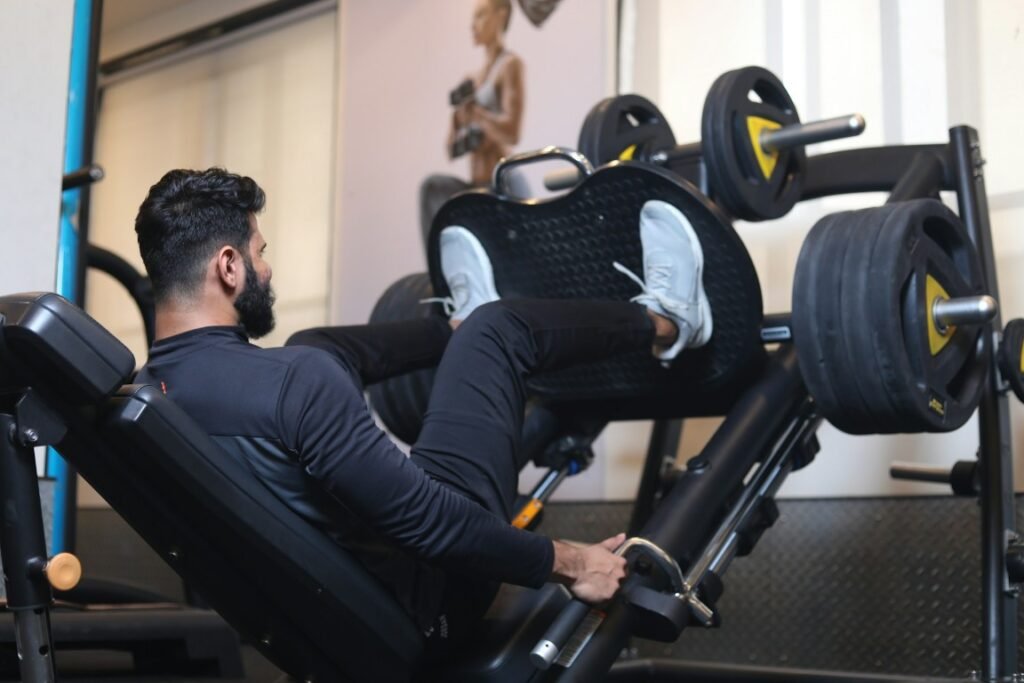
Every machine locks you into its own fixed path. The movement pattern you develop is specific to that one piece of equipment. Change gyms, and the leg press feels different. Travel abroad, and the chest machine has a completely different angle, if they have one at all. You’re relearning the skill each time because the skill itself isn’t transferable.
Now compare that to free weights.
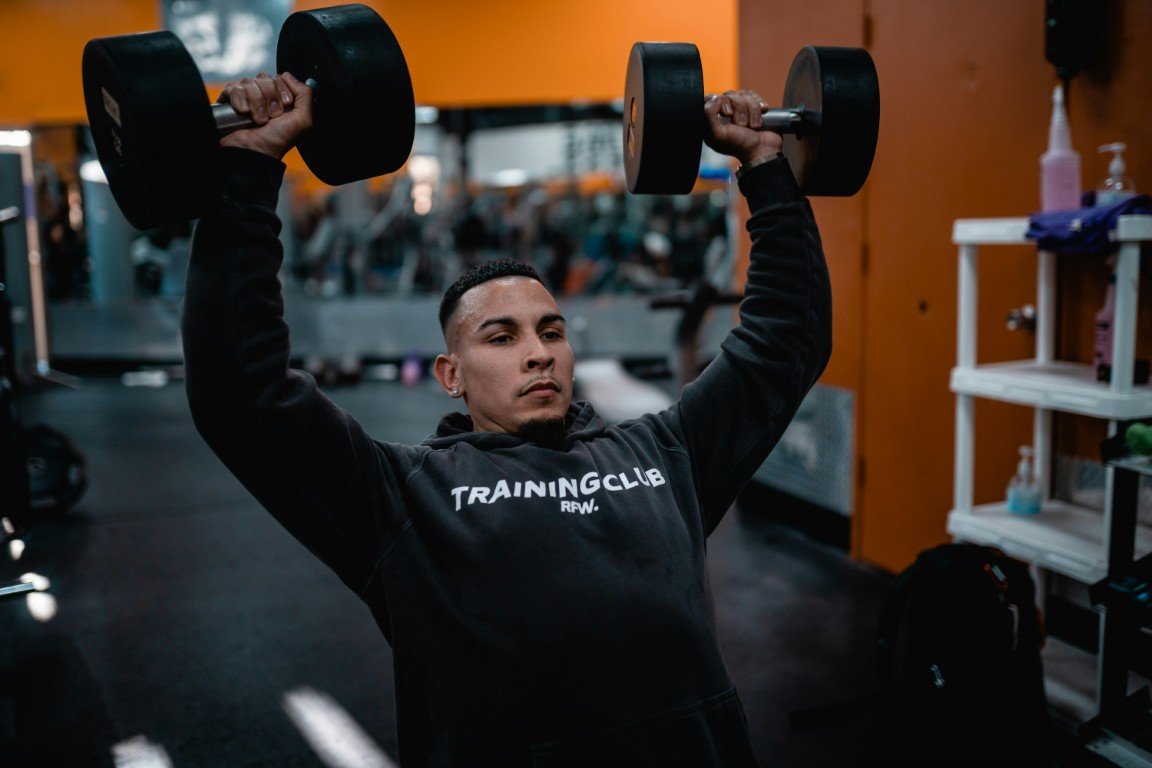
When you learn to press a dumbbell overhead, you’re teaching your body to balance the weight, stabilise your shoulder, engage your core, and coordinate both sides independently. Those skills don’t just transfer to another dumbbell—they transfer to lifting a suitcase into an overhead locker, pressing yourself up from the ground, or holding a child above your head. That’s functional strength.
Why Advanced Lifters Use Machines
Here’s the irony: the people who benefit most from machines are the ones who need them least.
Experienced lifters already have the stability, coordination, and body awareness that years of free weight training built. For them, machines are a useful tool to isolate a specific muscle, reduce joint stress, or train through fatigue safely.
But if you’re a beginner, you haven’t developed that foundation yet. Jumping straight to machines bypasses the very adaptations your body needs most—the ability to stabilise, coordinate, and control movement under load.
Start with Movement, Not Machinery
If you’re new to training, skip the circuit of machines. Start with the fundamentals: squats, hinges, pushes, pulls, and loaded carries.
Use dumbbells and barbells where possible. Learn to brace your core during a goblet squat. Feel what it’s like to keep your shoulders stable during a dumbbell press. Understand how to hinge at the hips without rounding your lower back.
These movement patterns will serve you for decades. They’ll build stronger muscles, healthier joints, and a body that actually knows how to use its strength when it matters.
The Universal Gym Language
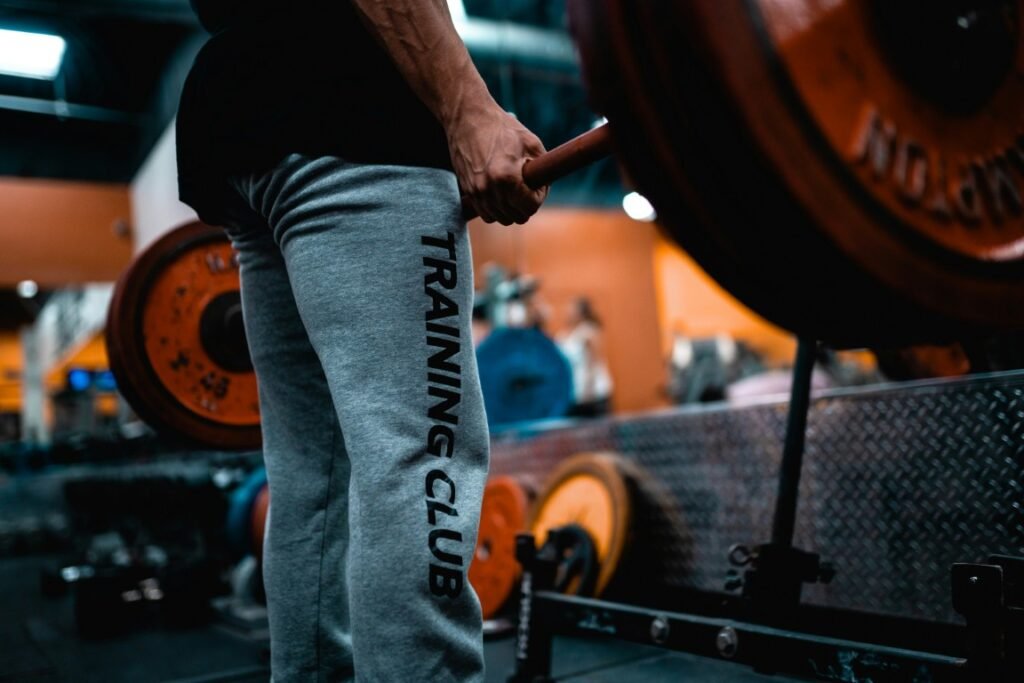
Every gym looks different. Machine brands vary. Layouts change. But nearly every gym in the world has dumbbells and a barbell.
If you can squat, hinge, press, and row with free weights, you can train anywhere—whether that’s a boutique gym in Deptford, a budget chain on holiday, or a mate’s garage setup. The movement patterns stay the same. Your training doesn’t fall apart the moment your environment changes.
Takeaway
Machines make training look easier. Free weights make you capable.
When choosing between free weights vs machines, prioritise the skills that actually matter: stabilisation, coordination, and control. Master the basics before outsourcing your movement to a fixed steel frame.
The time you invest now in learning proper movement will pay dividends for the rest of your training life.
Need Help Learning the Basics?
I teach one-to-one strength coaching in Deptford (SE8). We focus on movement quality, stability, and long-term progress.
If you want to move well before you move heavy, book a session here.