
A very common conversation I have with people when I start coaching them at Commando Temple in Deptford goes like this:
They’ve been perfect during the weekdays when I last saw them.
But then when I see them again on Monday, they tell me the same story: they had one cheat meal that became snacks on top of that, and another cheat meal that followed all the way through till Sunday.
Now the scale is completely off. It takes them the following weekdays to get back to level, and the cycle repeats without them ever losing weight.
It doesn’t take much to solve this problem. Normally after a couple of weeks, we’ve got to grips with it and broken the cycle. But the main enemy we have to beat when doing that is cheat meals.
In this article, we’re going to look at why.
TL;DR:
- Cheat meals trigger the food palatability reward cycle – making you crave more junk food
- You’ll either stay unsatisfied within your calories or blow past your target by thousands
- Lab-engineered snacks are designed to make you overeat
- Boring food for a few weeks beats failed diet attempts
- Mental toughness around food matters as much as gym discipline
The Palatability Problem
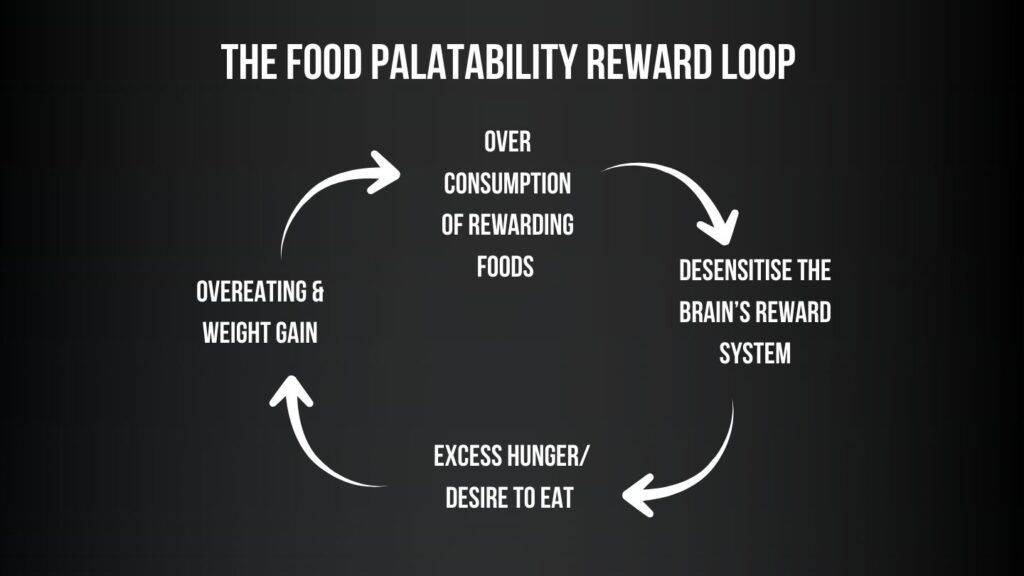
There’s an idea in nutrition science called the food palatability reward hypothesis, explored in detail by Stephan Guyenet in The Hungry Brain.
It’s deceptively simple, but counterintuitive at the same time.
Put simply: if a food is really delicious, eating doesn’t satisfy you for long. It just makes you want to eat more of it.
That sounds obvious. But when you think about the implications, it changes everything.
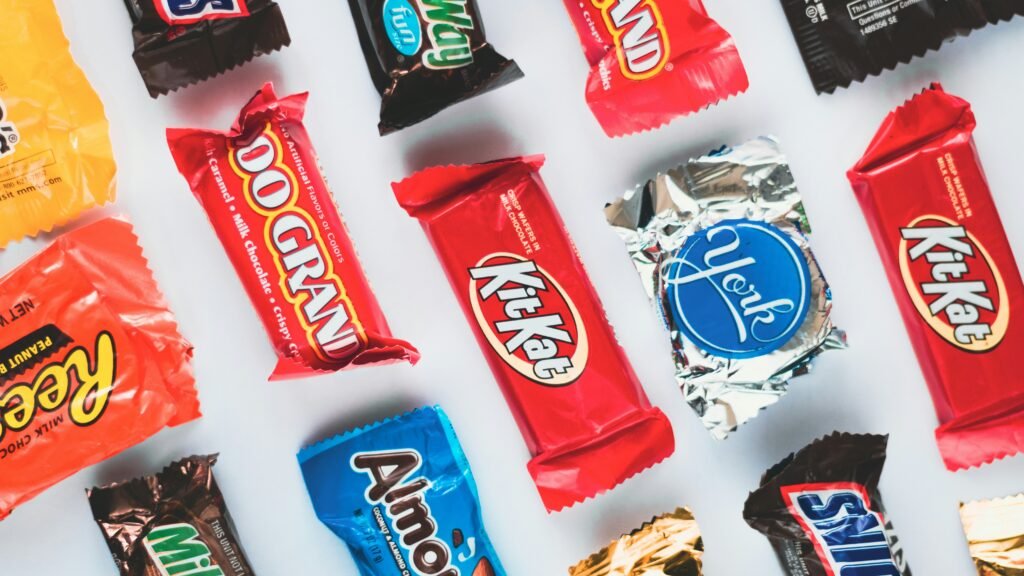
Most junk food – the snacks you might reach for on a cheat day – is lab-engineered to make you want to eat as much as possible. Food companies spend millions researching the exact combination of salt, sugar, and fat that triggers maximum consumption.
If you want to know more about how food companies design these products, there’s a great book called Salt, Sugar, Fat by Michael Moss. It documents this in detail, and it’s fairly shocking.
Two Outcomes, Neither Good
Because of this palatability effect, cheat meals tend to produce one of two results.
Option 1: You stay roughly inside your calorie count and the whole thing is unsatisfying, just making you feel hungrier. You’ve triggered cravings without satisfying them, and now you’re worse off than before.
Option 2: You shoot thousands of calories over where you’re supposed to be. The palatability reward loop kicks in, portion control goes out the window, and you’ve just undone several days of progress.
Neither outcome helps you make weight or progress towards your goal.
A Better Approach
If you don’t care about making weight and you just want to go all-in on some junk food, more power to you.
But if you care about your diet, cheat meals will normally do more harm than good.
Here’s the truth: diets don’t have to be intolerable. You don’t have to be starving. They don’t have to make you feel awful.
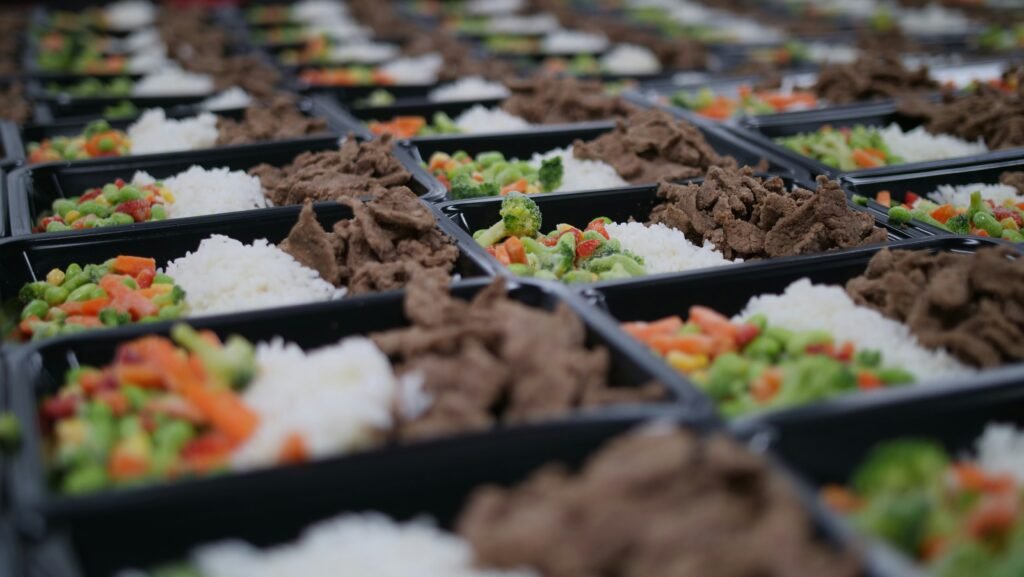
But they might have to be a bit boring for a few weeks.
If you’ve got a fight booked and you’re already putting in all this effort in the gym, just a little bit more mental toughness to have things be boring for a few weeks will be worth your while.
Key Takeaways
- Engineered foods are designed to override your satiety signals
- Cheat meals create a lose-lose scenario when you’re trying to make weight
- Mental discipline with food is part of the training process
- A few weeks of boring meals is a small price for hitting your target
If you’re tired of the cheat meal trap derailing your progress week after week, I can help you cut through the nonsense and build sustainable habits that actually work.
Book a consultation below and I’ll build you a nutrition plan that gets you to your goal weight without the weekend blowouts.